
The fight against illegal mining activities in Ghana, popularly known as galamsey—remains a significant challenge confronting the nation. Illegal miners have devastated forests, polluted water bodies, destroyed farmlands, and degraded vast stretches of land.
For years, Ghana has battled galamsey, but the struggle has proven difficult, sparking nationwide discussions and concerns.
Some Ghanaians are frustrated with national leadership, accusing top government officials and politicians of secretly enabling these activities, thereby making it nearly impossible to control them. Others blame certain traditional rulers for allegedly extorting money from miners and allocating land for illegal operations in their communities.
Despite several initiatives such as Operation Vanguard and GalamSTOP, the outcomes have been disappointing. These initiatives aligned with former President Nana Addo Dankwa Akufo-Addo’s commitment to ending galamsey, a promise he declared he would stake his presidency on during the 2016 general elections.
Unfortunately, all these efforts have proven futile, leaving many Ghanaians to believe that the eradication of illegal mining might remain a dream—even as its devastating effects mount, threatening national survival.
There is a growing concern that if the Central Government does not adopt pragmatic, long-term strategies to halt illegal mining, Ghana may one day be forced to import water for daily use.
While much has been said about political will and civil society efforts, the contributions of traditional leaders in this fight must not be underestimated or ignored.
Notable among them are the Okyenhene, Osagyefuo Amoatia Ofori Panin, and the Asantehene, Otumfuo Osei Tutu II, who, along with other traditional authorities, have made consistent efforts to protect the environment from illegal mining.
Recently, the Minister for Lands and Natural Resources, Amah Kofi Buah, described illegal miners as terrorists, insisting they should be treated as such when caught in the act.
In a related development, the Interior Minister, Muntaka Mohammed, announced that expatriates who are predominantly involved in illegal mining will be deported if found guilty. This statement has stirred debate, with Ghanaians questioning whether the Ministries of Interior and Lands are aligned in their goals. Others have described the move as discriminatory-arguing that if foreigners are deported, Ghanaian offenders should not be treated with leniency for the same crime.
The debate rages on: do political leaders truly want to end galamsey?
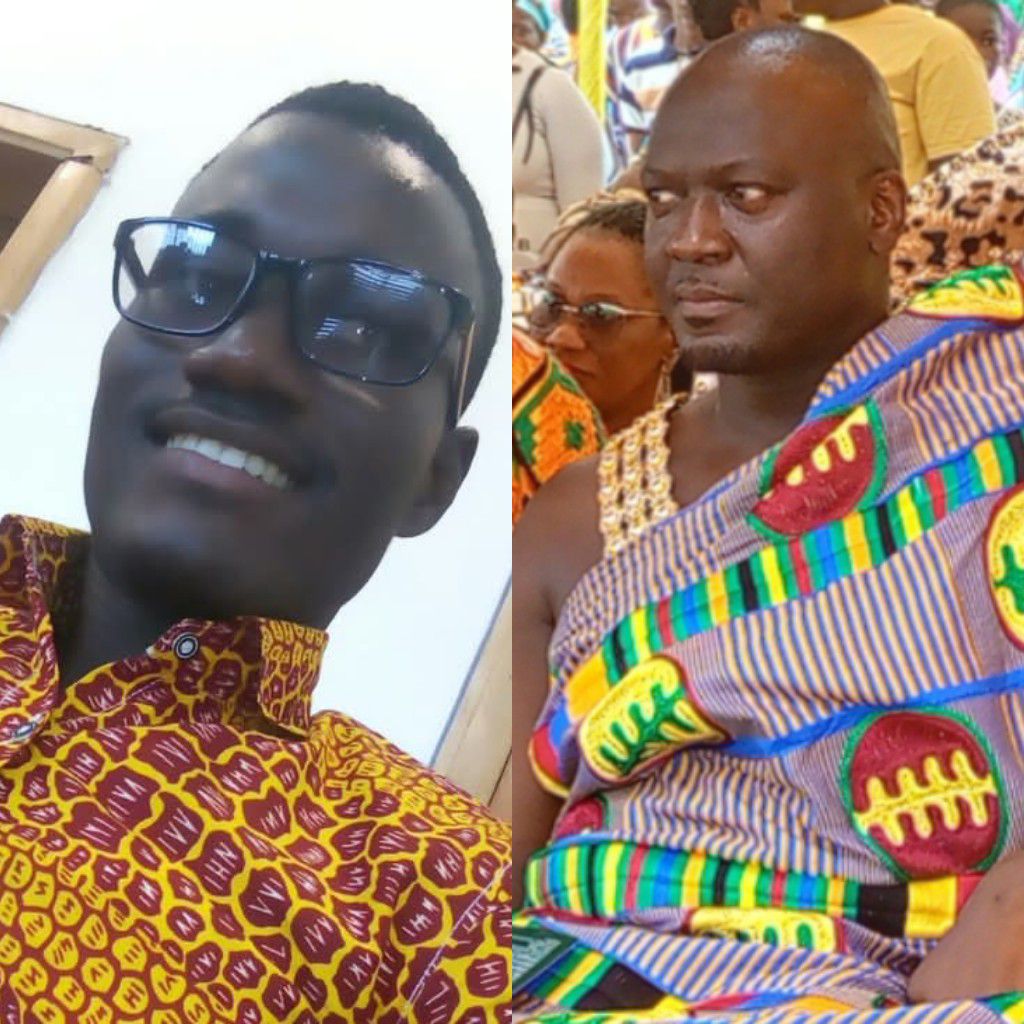
In the midst of it all, I acknowledge the commendable efforts of some traditional leaders, particularly the Okyeman Nifahene of the Akyem Abuakwa Traditional Council in the Eastern Region—Daasbre Dr. Twum Ampofo, also known as Asiakwahene—for his bold and effective actions in his community.
What many government leaders and chiefs have failed to do, he managed to accomplish in just two weeks.
The Okyeman Nifahene and his cabinet first issued repeated warnings to miners in Asiakwa, urging them to engage in responsible mining. When these warnings were ignored, he placed a ban on mining near water bodies and farmlands. Despite this, the miners continued their activities.
The Chief and his cabinet then visited the mining sites to assess the damage firsthand. Overwhelmed by what he saw, the Asiakwahene reportedly wept at the sight of the environmental destruction.
No longer tolerating the situation, he issued a two-week ultimatum: reclaim the degraded lands and leave the community.
Fast-forward to April 4, 2025, I, Kontihene Kofi Oboh, a renowned Broadcast Journalist, led a media team to inspect the site and verify compliance. We observed that the miners had removed their excavators. While some reclaimed the land before leaving, others left open pits behind.
As of now, there has been no official statement from the Asiakwa Royal Palace regarding when the ban will be lifted, as the national fight against galamsey continues.
We cannot sit back and be complacent. I urge all Chiefs in mining-prone areas to emulate the Asiakwahene’s bold leadership to protect our environment for future generations.
I admit that gold often fuels greed, but as responsible citizens, we must rise above this and act wisely.
Galamsey is now a national threat. Let us stop trading our conscience for money or partisan politics. Let us unite and fight again and again until we find a lasting solution.
Long Live Okyeman Nifahene!
Long Live Asiakwa!!
Long Live Ghana!!!
Say No to Galamsey!!!!
By// Kontihen Kofi Oboh.
Source// Obohnewsonline.com.
 Obohnewsonline